

 Business License

Boot Mat Factory: A Behind-the-Scenes Look at Durable Floor Protection
Most people never think about the journey a boot mat takes before it ends up at a door, but the difference between one that fails in months and one that lasts for years starts at the factory. This behind-the-scenes look at FANDEWEI shows why durable floor protection isn't just a product—it's a process
A Morning on the Mixing Line
The first shift starts before the sun clears the loading dock. Oil drums still hold the night’s chill as the batch cards get clipped to the mixers, each one handwritten with ratios that have been tweaked over decades. No one rushes here—not because the work is slow, but because a wrong pour at six in the morning ruins a hundred loaves by noon. The head mixer walks the line with a steel cup, tasting raw dough like a sommelier checking a barrel sample.
By seven, the air changes. The first heat of the ovens rolls through the room and the yeast smell sharpens, almost sweet, mixing with the mineral tang of wet concrete from the washdown area. The line isn’t loud the way outsiders expect; it’s the steady clatter of metal bowls, the hiss of a hydration sprayer, and the low thump of finished dough being tipped onto the belt. The bakers don’t talk much. They nod at the mixer’s hand signals and adjust water temperature by feel against the bowl’s side.
What stays with you after a morning there isn’t the machinery or the schedule. It’s the quiet authority of people who know exactly when the dough has given all it can. The last batch of the shift comes off the hook looking smooth and elastic, and the line slows for the first time in four hours. Someone scrawls a note on the whiteboard—‘tomorrow, 2% less salt’—and then, just like that, the morning is over and the day’s real work begins.
The Heat Press That Does the Heavy Lifting
Most presses make you wrestle with pressure settings and uneven temperatures. This one doesn't. The oversized lower platen stays perfectly level, while the auto-adjusting head reads the thickness of your blank and locks in the right amount of force every single time.
That means fewer misprints, less guesswork, and a lot more finished shirts stacked at the end of the day. The heating element spreads heat edge to edge, so vinyl, sublimation transfers, and even thicker materials like tote bags come out clean without cold spots.
It's built with a steel frame and a simple control panel that doesn't hide anything behind confusing menus. If you're tired of babysitting a machine through every press, this is the one that handles the load.
Cutting Corners? Never Here
From the first cut to the final polish, every step gets the same unblinking attention. If a board has a hairline crack, it's rejected. If a joint doesn't sit perfectly flush, it's redone. There's no time clock pressure that will convince us to swap in a cheaper filler or skip a sanding pass.
That means some pieces take longer to finish. A drawer might be assembled and disassembled three times before the glide feels right. A surface might get two extra coats of finish even though one would look fine under showroom lights. You might not notice these choices at first glance, but they're what keep a piece from wobbling six months down the road.
When you run your hand along an edge or open a cabinet door, you'll feel the difference. Not because we told you it's there, but because it was never a question of doing it any other way.
The Edge Seal Few Makers Bother With
Most bags and cases feel solid until you run a finger along the seam where two panels meet. That edge is often left raw or barely finished, which means moisture, grit, and daily bumps start working their way into the material almost immediately. The few makers who bother with a proper edge seal treat it as a structural necessity, not an afterthought.
A real edge seal involves more than a strip of glue. It means the cut edge is folded, bonded, or coated so that no fibers or foam are exposed. The result is a smooth, almost molded transition that resists peeling and keeps the inside cleaner for longer. You feel the difference the first time you handle it in bad weather or drop it on a rough surface.
It takes extra time and tooling, so most brands skip it and hope no one notices. But once you have owned something with a properly sealed edge, the unfinished alternatives start to feel cheap. That small detail is often the clearest signal of how much care went into the entire product.
How We Simulate a Muddy Truck Bed
We start with real mud, but not just any mud. Different regions leave different residues—red clay from Georgia, sandy silt from West Texas, alkaline dust from the Southwest. We blend these with water and a small amount of organic binder until the slurry reaches the same consistency you would find in a well-used work truck after a week of rain.
From there, we apply the mixture in thin coats across a factory-fresh bed, letting each layer dry under heat lamps before adding the next. It takes three or four passes to build up the kind of caked-on layer that hides the ribs of the bed floor. We also splash extra slurry along the wheel wells and tailgate gap, since those spots collect the thickest buildup in real driving.
Once the mud has fully cured, we run a sequence of washdowns, scrubs, and pressure rinses to see how the surface releases the grime. We track what remains in the corners, how much film is left after plain water, and whether any scratching occurs during manual removal. The goal is simple: the bed should come clean without demanding specialty cleaners or a full afternoon of scrubbing.
The Last Check Before It Ships
Before the tape gun comes down, every order gets a slow, deliberate once-over. It’s not a rushed glance at a checklist pinned to the wall—it’s picking up the item, turning it over, checking the edges, the finish, the little things you’d notice only if you were the one opening the box. Cables are counted, screws are checked against the manifest, and any accessory that should be in there gets laid out on the bench first. If a button sticks or a seam looks off, the box doesn’t move forward until it’s resolved.
Most of what gets caught here is small stuff: a label that’s slightly crooked, a bit of residue from a protective film, a manual that slipped behind the foam insert. These are the kinds of flaws that wouldn’t brick a product but would still make someone pause after unboxing. The point isn’t perfection for its own sake. It’s about making sure that when the package arrives, the first impression isn’t a problem to fix but a thing that simply works.
The last step before the box is sealed is a tap test—nothing loose, nothing rattling—and a check that the inner packing doesn’t shift when the box is tilted from side to side. Then the person doing the check puts a small mark on the packing slip, just initials and the date, so there’s a name attached to that final look. It’s not a stamp of quality. It’s just someone saying, “I checked this one.”
Conclusion
The day starts early on the mixing line, where raw rubber compounds get blended in small batches. Workers check viscosity and temperature by hand, adjusting the blend until it feels right—no automated timer can replace that kind of experience. Once the mixture passes, it moves to the heat press. This isn't a quick stamp; the press applies steady pressure and heat for several minutes, forcing the rubber into every groove and tread pattern. You'd think a factory making boot mats would look for ways to trim material, but the cutting station tells a different story. Blades follow a fixed template, and any mat that comes out even a few millimeters off gets pulled aside. That kind of precision costs time, but the team treats it as non-negotiable.
After shaping, each mat goes through an edge seal process most manufacturers skip. A heated roller folds and bonds the outer lip, preventing water and grit from working their way under the mat over time. Then comes the test that actually matters for truck owners: a mud simulation. Mats are sprayed with a slurry of clay, sand, and water, then flexed repeatedly to mimic boots grinding in a truck bed. If the surface shows wear or the texture loses grip, the batch is rejected. The final check happens under bright inspection lights, where a worker runs gloved hands over every edge and corner. Only after that does a mat earn its place in a shipping box—ready to take the abuse of a real work site.
Contact Us
Company Name: Fan De Wei Henan Automobile Products Co., Ltd.
Contact Person: Jet
Recently Posted
-
Top Pickup Truck Bed Mats That Keep Your Cargo Secure and Dry
October 26, 2026Your truck bed shouldn't be a slip-and-slide for your gear. We've tested the top pickup truck bed mats that keep cargo sec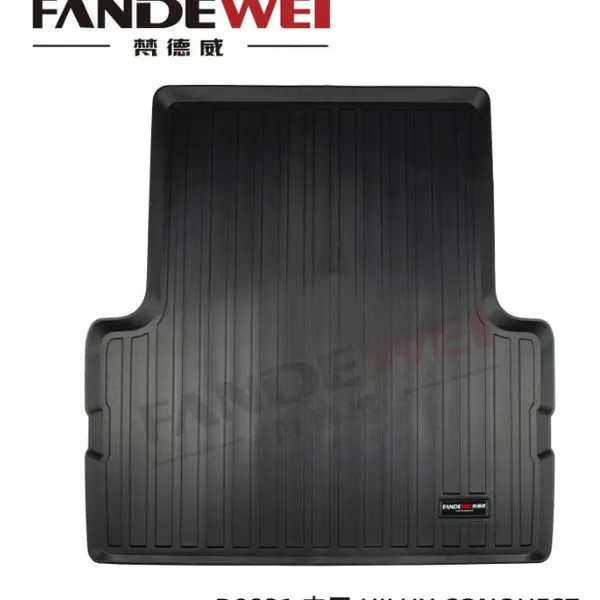 Read More
-
All-Weather Car Mat Factory How We Engineer Durable Floor Protection for Every Climate
October 22, 2026Most car mats promise all-weather protection until the first freeze or heatwave exposes the shortcuts. At FANDEWEI, we build floor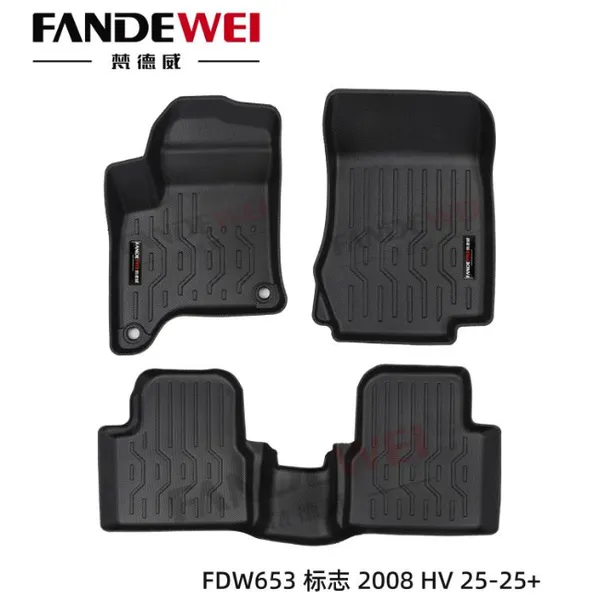 Read More
-
3D Car Floor Mats Factory Reveals How Precision Molding Creates All-Weather Protection
October 19, 2026Ever wondered what separates a flimsy floor mat from one that laughs off mud, snow, and spilled coffee? Inside a 3D car floor mats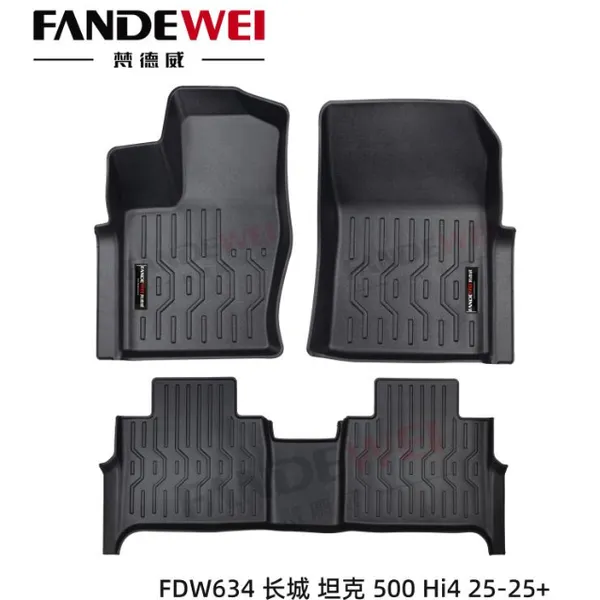 Read More
-
Custom Boot Mat: Tailored Protection for Your Vehicle's Interior
October 16, 2026Your boot takes far more abuse than the cabin—muddy boots, wet dogs, loose tools—yet most drivers still toss in a generic liner th
Read More

Contact Us
Recommended Products
-
 Pickup Truck Bed Mat Use for Benz BMW Toyota Lexus Honda Nissan Mazda Easy to Clean Anti-slip Makers Custom All Weather Zero Formaldehyde WaterproofUS$ 20MOQ: 25 Sets
-
Car Floor Liners Use for Use for GWM TANK 300 500 700 Luxury Carpet Easy to Clean Anti-slip Makers Custom All Weather Zero Formaldehyde WaterproofUS$ 32MOQ: 25 Sets
-
Pickup Truck Floor Mat Use for Geely GWM TANK Chery Changan Easy to Clean Anti-slip Makers Custom All Weather Zero Formaldehyde WaterproofUS$ 32MOQ: 25 Sets
-
Boot Mat Use for Ram Peugeot Land Rover Volvo VinFast BYD Luxury Carpet Easy to Clean Anti-slip Makers Custom All Weather Zero Formaldehyde WaterproofUS$ 32MOQ: 25 Sets
-
3D Car Floor Mats Use for Ford Tesla Chevrolet GMC Dodge Jeep Easy to Clean Anti-slip Makers Custom All Weather Zero Formaldehyde WaterproofUS$ 32MOQ: 25 Sets



-
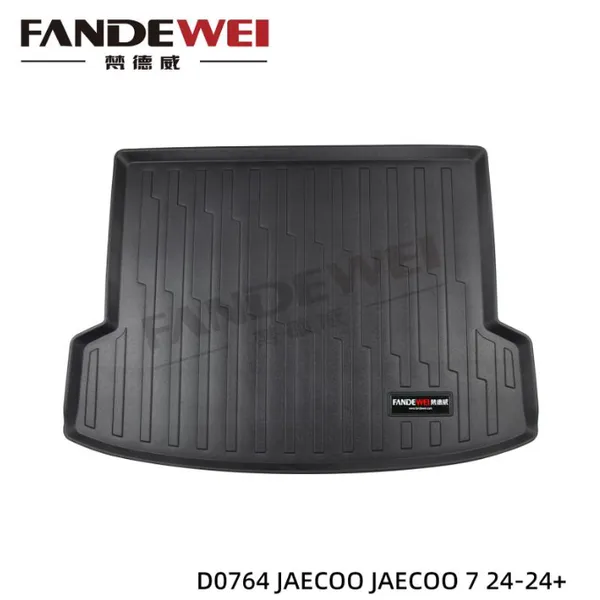
Cargo Liner Use for Mitsubishi Suzuki Isuzu Hyundai Kia Genesis Easy to Clean Anti-slip Makers Custom All Weather Zero Formaldehyde WaterproofUS$ 32MOQ: 25 Sets
-
All-weather Car Mat Use ForToyota Lexus Honda Nissan Mazda Subaru Easy to Clean Anti-slip Makers Custom All Weather Zero Formaldehyde WaterproofUS$ 32MOQ: 25 Sets
-
Trunk Mat Use for Toyota Lexus Honda Nissan Mazda Subaru Luxury Carpet Easy to Clean Anti-slip Makers Custom All Weather Zero Formaldehyde WaterproofUS$ 13MOQ: 25 Sets
-
Car Floor Mats Use for VW Audi Porsche Skoda SEAT Benz BMW Easy to Clean Anti-slip Makers Custom All Weather Zero Formaldehyde WaterproofUS$ 32MOQ: 25 Sets
-
Car Mats Use for LEXUS VW Audi Porsche Toyota Lexus Honda Easy to Clean Anti-slip Makers Custom All Weather Zero Formaldehyde WaterproofUS$ 32MOQ: 25 Sets


-
Use for BYD TANG KING Destroyer SHARK 3D Car Floor Mat Luxury Carpet Easy to Clean Anti-slip Makers Custom All Weather Zero Formaldehyde WaterproofUS$ 32MOQ: 25 Sets
-
Use for BYD TANG KING Destroyer SHARK 3D Car Floor Mat Luxury Carpet Easy to Clean Anti-slip Makers Custom All Weather Zero Formaldehyde WaterproofUS$ 32MOQ: 25 Sets
-
Use for Geely Okavango RIDDARA RD6 Horizon MONJARO L MONJARO L 4WD Preface GEOME/EX2 Galaxy E8 Car Floor MatZero Formaldehyde WaterproofUS$ 32MOQ: 25 Sets
-
Use for Use for Proton X70 X50 3D Car Floor Mat Luxury Carpet Easy to Clean Anti-slip Makers Custom All Weather Zero Formaldehyde WaterproofUS$ 32MOQ: 25 Sets
-
Use for Use for FIAT FULLBACK FAST BACK 3D Car Floor Mat Luxury Carpet Easy to Clean Anti-slip Makers Custom All Weather Zero Formaldehyde WaterproofUS$ 32MOQ: 25 Sets


-
Use for Renault KANGOO CAPTUR Duster 3D Car Floor Mat Luxury Carpet Easy to Clean Anti-slip Makers Custom All Weather Zero Formaldehyde WaterproofUS$ 32MOQ: 25 Sets
-
Use for Chevrolet S10 Sail-LTZ Trailblazer Car Floor Mat Luxury Carpet Easy to Clean Anti-slip Makers Custom All Weather Zero Formaldehyde WaterproofUS$ 32MOQ: 25 Sets
-
Use for TORNADO SILVERADO Colorado 3D Car Floor Mat Luxury Carpet Easy to Clean Anti-slip Makers Custom All Weather Zero Formaldehyde WaterproofUS$ 32MOQ: 25 Sets
-
Use for Chevrolet Tracker TRAX 3D Car Floor Mat Luxury Carpet Easy to Clean Anti-slip Makers Custom All Weather Zero Formaldehyde WaterproofUS$ 32MOQ: 25 Sets
-
Use for Chevrolet AVEO 3D Car Floor Mat Luxury Carpet Easy to Clean Anti-slip Makers Custom All Weather Zero Formaldehyde WaterproofUS$ 32MOQ: 25 Sets


