

 Business License

OEM Car Mats: Why They're the Best Investment for Your Vehicle's Interior
Your car's interior endures a surprising amount of abuse—dirt, moisture, and daily wear. Yet many drivers settle for ill-fitting floor mats that slide around and leave gaps. OEM car mats are engineered to match your vehicle's exact dimensions, offering protection that generic alternatives simply can't. At FANDEWEI, we believe that investing in the right mats is one of the smartest moves you can make for your interior's longevity. Here's why OEM car mats deserve a closer look.
Exact Fit Isn't Just About Looks—It's About What Gets Trapped
A slightly off measurement might not be obvious from across the room, but it creates edge gaps that quietly undermine the entire point of a filter. Those gaps welcome dust, dander, and fine debris to slip around the media instead of through it. When a replacement filter matches the housing exactly, there’s no alternate route—the air and everything in it gets forced through the material designed to catch it.
What ends up trapped matters just as much as what passes through. Loose-fitting filters let particles gather on internal components, which can lead to stale smells, reduced airflow, and extra strain on the blower over time. A precise fit keeps that buildup where it belongs: inside the filter, not circulating back into your space.
Factory Materials That Hold Up to Mud, Snow, and Spilled Coffee
In a factory, the floor takes the worst of it. Mud tracked in from the loading dock, snow melting off forklift tires, coffee sloshed from a rushed break—all of it lands on the same surface. The materials that survive this abuse aren't fancy; they're usually dense and low-porosity. Power-troweled concrete with a penetrating lithium silicate densifier shrugs off moisture and grit without peeling like older epoxy systems. For spots where standing water is common, a polyaspartic coating bonds tight enough to resist hot tire pickup and chemical stains, drying fast so a spill doesn't turn into a slip hazard.
Rubber flooring, especially the vulcanized kind used around assembly lines, handles snowmelt and muddy boots without warping. Unlike vinyl tile, it doesn't trap water at the seams, and the slight give underfoot means a dropped mug rarely shatters. In break rooms or control stations, phenolic resin panels on walls and tabletops resist coffee rings and cleaning solvents alike—same material used in commercial kitchen counters but with a matte finish that hides scratches. Stainless steel trim and kick plates take the dents and keep corrosion from road salt at bay.
The real trick is choosing materials that don't rely on a perfect seal. Welded sheet vinyl with heat-fused seams works in wet zones, but only if the subfloor is dead flat. For high-traffic entries, an aluminum-grate mud scraper recessed into the slab catches most of the snow and grit before it ever reaches the main floor. And for spills that do happen, a sealed concrete floor with a slight slope toward a trench drain makes cleanup a hose-down job instead of a scrub session.
The Safety Edge: How Original Mats Stay Put When It Matters
Ever watched a mat slide out from under someone at the exact moment they needed it? That split-second shift isn't just annoying—it's where slips, trips, and real injuries begin. Original mats earn their keep by refusing to budge. The secret often comes down to the underside: a carefully designed backing that grips the floor without the need for adhesives or constant readjustment. This isn't a one-size-fits-all trick. Rubber compounds, textured patterns, and weight distribution all work together to anchor the mat, even when feet pivot, carts roll, or liquids make the surface slick.
In high-traffic kitchens and workshops, movement is constant, and a mat that wanders becomes a hazard nobody notices until someone goes down. The best originals use perimeter weighting and beveled edges that make tripping less likely, while the backing stays put on tile, concrete, or sealed wood. You won't find a manual telling staff to kick the mat back into place every ten minutes—because the mat simply stays where it's set. That reliability changes how people move: confidently, without that unconscious hesitation before stepping onto a surface they don't fully trust.
It's worth comparing this to cheaper alternatives. Many budget mats rely on suction cups or a thin layer of foam that flattens within weeks. Once that backing loses its grip, the mat becomes a sliding board. Original designs treat the base as a structural component, not an afterthought. The result is a mat that holds its ground under load, through temperature swings, and after repeated cleaning. For anyone who has ever watched a mat drift across a hallway, the difference is immediate—and the safety payoff isn't measured in statistics, but in the falls that never happen.
Protecting More Than Carpet: The Resale Argument for OEM
When you swap out the factory mats for generic ones, the wear pattern tells a story long before the odometer does. OEM floor mats are cut to match the exact footwell contours, including the dead pedal and seat track clearances, so spilled coffee or winter slush stays on the rubber instead of seeping into the carpet underneath. That kind of containment is easy to overlook on a daily commute, but it becomes obvious the first time you lift a mat and see the original carpet still holding its color and pile.
Buyers who know the model well will check the driver's side first. Faded or matted carpet from an ill-fitting mat often reads as neglect, which gives them a reason to push the price down. Keeping the factory mats in place signals that the interior was cared for without shortcuts, and that can translate directly into a stronger offer when it is time to sell or trade in.
Simple Cleaning Routines That Keep Original Mats Looking New
Most original mats pick up dirt slowly, so you don't need aggressive scrubbing every week. A quick shake-out and a pass with a stiff brush gets rid of loose debris before it grinds into the fibers. Do this every few days, especially after muddy or sandy trips, and the mat surface stays close to its fresh-from-the-dealer look.
For deeper cleaning, use a mild carpet shampoo or a mix of warm water and a few drops of dish soap. Work it in with a soft sponge, then rinse with a damp cloth rather than soaking the mat. Let it air dry completely before putting it back—trapped moisture leads to musty smells and weakens the backing over time.
Rubber or all-weather mats respond even better to a rinse with a hose and a gentle wipe-down. Avoid harsh chemicals or high-pressure washers, which can fade the color or tear the edges. A minute or two of routine care beats replacing worn mats later.
When Universal Mats Fall Short: A Closer Look at Edge Coverage
Universal mats often promise a one-size-fits-all solution, but their edge design frequently leaves much to be desired. Standard rectangular or oval shapes may not follow the contours of your workspace, creating gaps along walls, around equipment, or near doorways. These uncovered strips become high-traffic zones for slips, spills, and accumulated debris, undermining the very safety and cleanliness the mat was meant to provide.
Edge coverage isn't just about dimensions—it's about how the mat transitions to the floor. A thick, abrupt edge can become a tripping hazard, especially in busy environments where carts roll or people step sideways. Many universal mats use a beveled border that is too steep or too narrow, causing the edge to curl, fray, or peel over time. Once the edge lifts, moisture and dirt find their way underneath, leading to mold growth, adhesive failure, and a mat that shifts underfoot.
Custom-fit or modular matting systems address these shortcomings by extending coverage to within a fraction of an inch of obstacles, using ramped edges that are wide and low-profile. They also allow for replacement of damaged edge pieces without discarding the entire mat. When evaluating a mat, run your hand along the perimeter: if you feel a sharp drop-off, or if the edge doesn't sit flush against the floor, that's a clear sign the universal design is falling short where it matters most.
Conclusion
Swapping out the original floor mats might seem like a trivial upgrade, but the factory versions earn their keep in ways that generic replacements can't match. Because they're shaped to the exact contours of your footwell, OEM mats trap dirt, salt, and moisture along the edges instead of letting it seep into the carpet underneath. That precision isn't just cosmetic; it's what keeps hidden grit from grinding into the fibers every time you slide behind the wheel. The materials matter too—automakers choose rubber and carpet blends designed to survive muddy boots, winter slush, and the occasional coffee spill without curling, fading, or cracking. For safety, the original mats include clips or locking anchors that keep the driver's side from bunching up near the pedals, a real risk with universal mats that rely on guesswork.
Beyond daily wear, OEM mats also protect your resale value. A cabin with clean, intact factory carpet signals that the vehicle was cared for, and buyers notice that kind of detail. Keeping original mats looking fresh is less work than people assume—usually a quick vacuum, a rinse with mild soap, and air drying is enough. Compare that to universal mats, which leave the outer edges and dead pedal area exposed to wear and staining. Those uncovered strips are exactly where dirt collects first, and once the carpet is stained or worn through, fixing it costs far more than a set of proper mats. For anyone planning to keep a vehicle long-term or sell it later, sticking with OEM floor protection is one of the simplest ways to avoid preventable damage and preserve the interior's condition.
Contact Us
Company Name: Fan De Wei Henan Automobile Products Co., Ltd.
Contact Person: Jet
Recently Posted
-
Top Pickup Truck Bed Mats That Keep Your Cargo Secure and Dry
October 26, 2026Your truck bed shouldn't be a slip-and-slide for your gear. We've tested the top pickup truck bed mats that keep cargo sec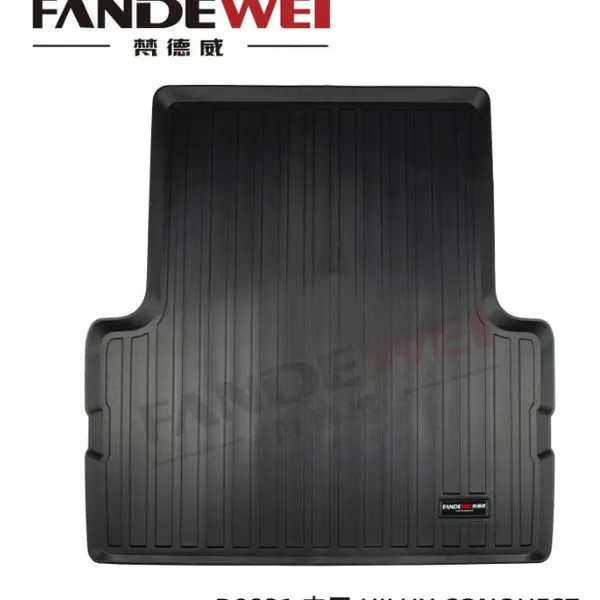 Read More
-
All-Weather Car Mat Factory How We Engineer Durable Floor Protection for Every Climate
October 22, 2026Most car mats promise all-weather protection until the first freeze or heatwave exposes the shortcuts. At FANDEWEI, we build floor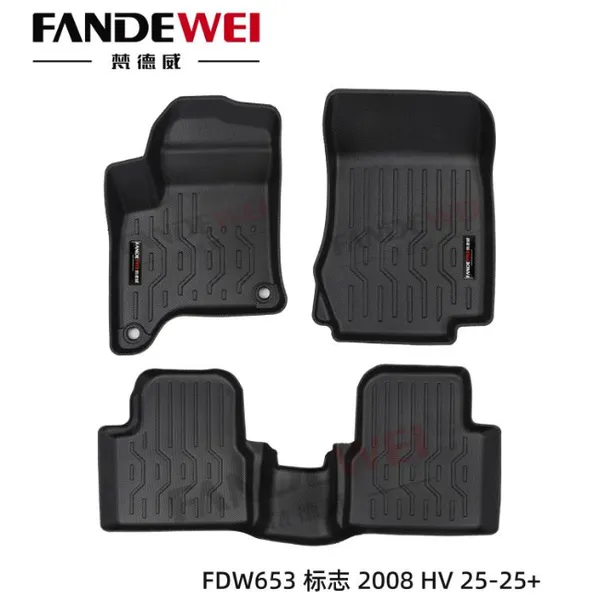 Read More
-
3D Car Floor Mats Factory Reveals How Precision Molding Creates All-Weather Protection
October 19, 2026Ever wondered what separates a flimsy floor mat from one that laughs off mud, snow, and spilled coffee? Inside a 3D car floor mats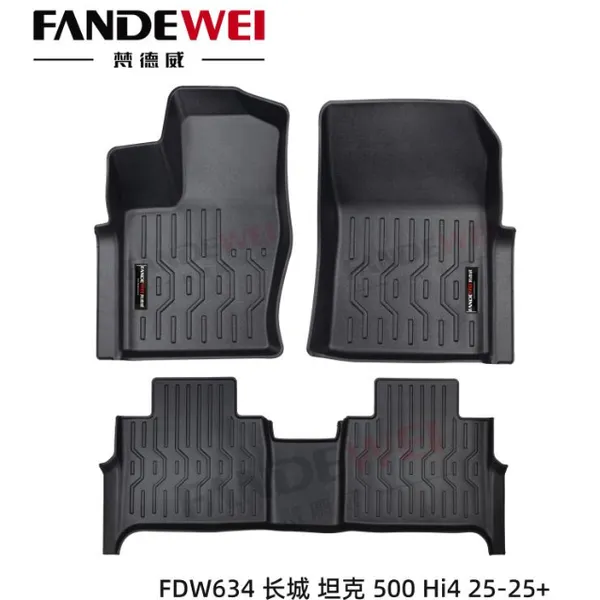 Read More
-
Custom Boot Mat: Tailored Protection for Your Vehicle's Interior
October 16, 2026Your boot takes far more abuse than the cabin—muddy boots, wet dogs, loose tools—yet most drivers still toss in a generic liner th
Read More

Contact Us
Recommended Products
-
 Pickup Truck Bed Mat Use for Benz BMW Toyota Lexus Honda Nissan Mazda Easy to Clean Anti-slip Makers Custom All Weather Zero Formaldehyde WaterproofUS$ 20MOQ: 25 Sets
-
Car Floor Liners Use for Use for GWM TANK 300 500 700 Luxury Carpet Easy to Clean Anti-slip Makers Custom All Weather Zero Formaldehyde WaterproofUS$ 32MOQ: 25 Sets
-
Pickup Truck Floor Mat Use for Geely GWM TANK Chery Changan Easy to Clean Anti-slip Makers Custom All Weather Zero Formaldehyde WaterproofUS$ 32MOQ: 25 Sets
-
Boot Mat Use for Ram Peugeot Land Rover Volvo VinFast BYD Luxury Carpet Easy to Clean Anti-slip Makers Custom All Weather Zero Formaldehyde WaterproofUS$ 32MOQ: 25 Sets
-
3D Car Floor Mats Use for Ford Tesla Chevrolet GMC Dodge Jeep Easy to Clean Anti-slip Makers Custom All Weather Zero Formaldehyde WaterproofUS$ 32MOQ: 25 Sets



-
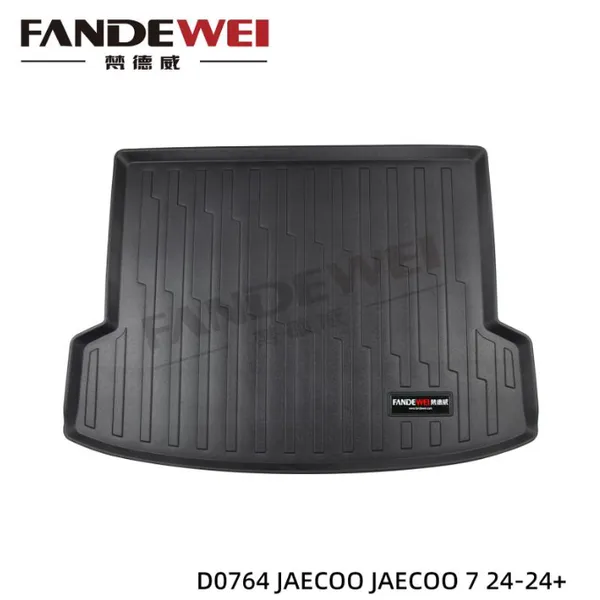
Cargo Liner Use for Mitsubishi Suzuki Isuzu Hyundai Kia Genesis Easy to Clean Anti-slip Makers Custom All Weather Zero Formaldehyde WaterproofUS$ 32MOQ: 25 Sets
-
All-weather Car Mat Use ForToyota Lexus Honda Nissan Mazda Subaru Easy to Clean Anti-slip Makers Custom All Weather Zero Formaldehyde WaterproofUS$ 32MOQ: 25 Sets
-
Trunk Mat Use for Toyota Lexus Honda Nissan Mazda Subaru Luxury Carpet Easy to Clean Anti-slip Makers Custom All Weather Zero Formaldehyde WaterproofUS$ 13MOQ: 25 Sets
-
Car Floor Mats Use for VW Audi Porsche Skoda SEAT Benz BMW Easy to Clean Anti-slip Makers Custom All Weather Zero Formaldehyde WaterproofUS$ 32MOQ: 25 Sets
-
Car Mats Use for LEXUS VW Audi Porsche Toyota Lexus Honda Easy to Clean Anti-slip Makers Custom All Weather Zero Formaldehyde WaterproofUS$ 32MOQ: 25 Sets


-
Use for BYD TANG KING Destroyer SHARK 3D Car Floor Mat Luxury Carpet Easy to Clean Anti-slip Makers Custom All Weather Zero Formaldehyde WaterproofUS$ 32MOQ: 25 Sets
-
Use for BYD TANG KING Destroyer SHARK 3D Car Floor Mat Luxury Carpet Easy to Clean Anti-slip Makers Custom All Weather Zero Formaldehyde WaterproofUS$ 32MOQ: 25 Sets
-
Use for Geely Okavango RIDDARA RD6 Horizon MONJARO L MONJARO L 4WD Preface GEOME/EX2 Galaxy E8 Car Floor MatZero Formaldehyde WaterproofUS$ 32MOQ: 25 Sets
-
Use for Use for Proton X70 X50 3D Car Floor Mat Luxury Carpet Easy to Clean Anti-slip Makers Custom All Weather Zero Formaldehyde WaterproofUS$ 32MOQ: 25 Sets
-
Use for Use for FIAT FULLBACK FAST BACK 3D Car Floor Mat Luxury Carpet Easy to Clean Anti-slip Makers Custom All Weather Zero Formaldehyde WaterproofUS$ 32MOQ: 25 Sets


-
Use for Renault KANGOO CAPTUR Duster 3D Car Floor Mat Luxury Carpet Easy to Clean Anti-slip Makers Custom All Weather Zero Formaldehyde WaterproofUS$ 32MOQ: 25 Sets
-
Use for Chevrolet S10 Sail-LTZ Trailblazer Car Floor Mat Luxury Carpet Easy to Clean Anti-slip Makers Custom All Weather Zero Formaldehyde WaterproofUS$ 32MOQ: 25 Sets
-
Use for TORNADO SILVERADO Colorado 3D Car Floor Mat Luxury Carpet Easy to Clean Anti-slip Makers Custom All Weather Zero Formaldehyde WaterproofUS$ 32MOQ: 25 Sets
-
Use for Chevrolet Tracker TRAX 3D Car Floor Mat Luxury Carpet Easy to Clean Anti-slip Makers Custom All Weather Zero Formaldehyde WaterproofUS$ 32MOQ: 25 Sets
-
Use for Chevrolet AVEO 3D Car Floor Mat Luxury Carpet Easy to Clean Anti-slip Makers Custom All Weather Zero Formaldehyde WaterproofUS$ 32MOQ: 25 Sets


