

 Business License

Car Floor Mats Supplier Tips to Avoid Common Buying Mistakes
You’d think buying car floor mats is simple—until the “custom fit” mats buckle under your brake pedal or the supplier’s email goes dead. The gap between a bargain and a reliable supplier often shows up only after you’re stuck with boxes of returns. That’s why we’ve put together practical tips to help you dodge the usual traps. And if you’ve been burned before, FANDEWEI offers a no-nonsense approach to mats that actually hold up. Let’s get into the mistakes that cost buyers the most.
Ask the Supplier for a Floor Pan Tracing Before You Commit
Ordering a floor pan without seeing its exact outline is a gamble, especially for older trucks or cars where factory tolerances weren't tight to begin with. Most reputable suppliers will send you a full-size tracing on paper or a digital file with edge profiles, bead locations, and hole positions. If they won't, you're likely guessing at whether that panel will actually drop into place without a lot of trimming.
When you contact the supplier, skip the vague "does this fit my year?" question. Ask for a tracing that shows the stamped contours, drain hole placement, and any brackets or recesses. Lay that tracing over your original metal—or what's left of it—and check the seat mount areas and trans tunnel clearance. Small mismatches in the tracing often show up as big headaches once you start welding.
A shop that refuses to provide a tracing probably hasn't test-fitted the panel themselves, or they're selling a universal stamping that needs heavy modification. Some suppliers charge a few dollars for the paper, and that's fair. Pay it. The cost of a tracing is nothing compared to hacking up a floor pan that's off by half an inch in three different spots.
Most buyers run their hands over the fibers and call it a day, but the real story is underneath. A carpet’s backing layer controls how it lies, how it grips the floor, and whether it buckles after a year of foot traffic. Flip a corner and look for a dense, uniform weave rather than loose threads or glue smears. That underside often reveals the difference between a piece that stays flat and one that ripples by the door.
Cheap backings tend to be thin and brittle, cracking when you fold a sample. Higher-quality options use woven polypropylene or jute that flexes without breaking down. Press your thumb into the backing—if it feels spongy or flakes away, the carpet won’t survive a vacuum’s beater bar. A solid backing also prevents moisture from seeping through, which matters in basements or kitchens where subfloor dampness is common.
Don’t assume a plush surface means a sturdy base. Some manufacturers skimp on the hidden layer to cut costs, and you only find out after the first deep clean. Lift the carpet and inspect the edge binding as well; fraying there often signals weak backing adhesion. For rooms with heavy furniture, a heavier backing with a non-slip finish can save you from constant repositioning.
Find Out How the Mats Handle Water, Salt, and Mud Over Time
Rubber and thermoplastic mats are the ones worth watching after a winter of road salt and a spring of trail mud. Cheaper carpet-style mats absorb water and hold it against the floor pan, which leads to musty smells and corroded anchors. Molded rubber mats, on the other hand, have deep channels and raised edges that trap slush before it can seep into the carpet underneath. Over several months of wet boots, the difference shows up in the corners and under the pedals where standing water tends to collect.
Salt is the slower test. It leaves a white crust that can dry out thinner mats and make them curl or crack along the edges. A dense rubber compound handles that crust better, and most of it rinses off with a hose instead of needing a scrub brush. Mud is abrasive but less corrosive; the real issue is whether the texture holds grit in place or lets it spread across the driver’s side heel area. Mats with a closed-cell surface tend to stay cleaner after a few muddy weeks because the dirt doesn’t grind into the material.
After a full season, the best mats don’t look new, but they shouldn’t look defeated. Fading from UV exposure, minor staining at the heel point, and a few scuffs are normal. What matters is that the mat still lies flat, the lips haven’t collapsed, and water still drains toward the door instead of pooling under the seat. Replacing mats every couple years is common for cheap sets; thicker ones usually last four to five before the driver’s heel wears through.
Check Whether the Edges Are Bound or Left Raw to Fray
Turn the piece inside out and run a finger along the seam allowances. A bound edge catches slightly under your fingertip, the result of bias tape, an overlock stitch, or a folded hem wrapping the raw fabric. A left-raw edge feels flatter and looser, with individual threads already starting to separate.
Look closely at the cut ends. Bound edges hide the fabric's weave behind a clean line of stitching or a contrasting strip. Raw edges expose the weave and often shed tiny fibers when touched. If the threads shift apart or form small tangles after light rubbing, the edge has not been finished.
This small check tells you a lot about how the piece was made. Bound edges resist fraying through regular wear and washing, while raw edges may keep unraveling unless the fabric is tightly woven or the design intentionally leaves them exposed. Noticing the difference helps you decide if the item needs extra care.
Request a Sample Swatch That Includes the Heel Pad and Anchor Points
When you're evaluating materials for a new footwear project, it's easy to overlook the small structural details that make or break the final product. Asking for a sample swatch that includes the heel pad and anchor points gives you a chance to see how these critical zones actually perform under real conditions. Instead of relying on catalog photos or spec sheets, you can flex the swatch, press into the heel area, and tug near the anchor points to judge stiffness, rebound, and tear resistance. This hands-on check often reveals issues that never show up in digital previews.
The heel pad is where repeated impact happens, so its density and recovery matter more than most people expect. A swatch that omits this section leaves you guessing about cushioning behavior after dozens of wears. Anchor points, on the other hand, are where stitching, bonding, or hardware will attach. If the material frays or stretches too easily at these spots, you'll end up with a weak seam or a loose fit down the line. By requesting a full sample that includes both areas, you can test stitch retention, adhesive compatibility, and how the material behaves when pulled in opposite directions.
Don't settle for a generic corner cut from a roll. Ask your supplier for a swatch that spans from the heel pad through at least one anchor point, preferably with the same edge finishing you plan to use in production. Mark the orientation and try folding it along typical stress lines. If the sample arrives without these key zones, push back and request a new one. A few extra days of waiting is cheaper than discovering a structural failure after tooling is already paid for.
Review the Supplier's Policy for Warped or Curled Mats After Shipping
Warped or curled mats arriving at your doorstep are a common headache, but the real test lies in how your supplier handles it. Before you place a bulk order, dig into their post-shipping policy for dimensional defects—some vendors quietly exclude warping from warranty claims, leaving you stuck with unusable inventory. Ask for the exact timeframe to report issues, whether they require photo evidence of the curl measured against a flat surface, and if they cover return freight or just offer a partial refund. A supplier who proactively includes warp tolerance limits in their terms sheet is a far safer bet than one who dodges the topic.
Don't settle for vague promises like 'we'll sort it out.' Push for a written, step-by-step process: what counts as excessive curling—usually defined as edge lift beyond a specific fraction of the mat's thickness—and who pays for replacement shipping. Some manufacturers use flimsy packaging that causes mats to bow in transit, yet still blame the buyer. If the policy requires you to flatten the mat with weights for 48 hours before filing a claim, that's a red flag—it eats into your time and rarely fixes permanent warp from heat or moisture exposure during shipping.
Finally, compare their policy against industry norms: reputable rubber and PVC mat suppliers often accept returns for warped goods within 7 to 14 days, no questions asked, provided the mats are unused. If the supplier's fine print says 'cosmetic warping excluded' or requires you to ship the damaged mats back at your own expense, walk away. A clear, buyer-friendly policy signals they stand behind their product even after it leaves the warehouse—and that's worth more than a slightly lower per-unit price.
Conclusion
Before committing to a batch, ask the supplier for an actual floor pan tracing rather than relying on stock images—this is the fastest way to catch gaps around the console or dead pedal that only show up once the mat is in the car. Then flip the sample over and inspect the backing layer, not just the carpet surface; a flimsy or slick underside will slide around and wear through the vehicle's carpet over time. You'll also want to understand how the material reacts to water, road salt, and mud after repeated exposure, because some inexpensive fibers look great on day one but fade, stiffen, or develop a sour smell after a few wet winters. Check the edging, too: bound edges hold up far better than raw cuts that start to fray at the corners, especially on the driver's side where your heel pivots constantly.
When you request a sample swatch, make sure it includes the heel pad and any anchor points, since those are the first places to crack or pull loose on poorly made mats. Finally, review the supplier's policy for warped or curled mats after shipping—long-distance transit can deform even well-made mats, and a vendor that won't replace a curled set is one to avoid. These small checks take a little extra time up front, but they spare you from buying "bargain" mats that need replacing within a year.
Contact Us
Company Name: Fan De Wei Henan Automobile Products Co., Ltd.
Contact Person: Jet
Tel & Wechat :+86 199 0374 5266
Tel & Whatsapp :+86 181 8915 9658
Email : sale08@fandewei.com
Recently Posted
-
Top Pickup Truck Bed Mats That Keep Your Cargo Secure and Dry
October 26, 2026Your truck bed shouldn't be a slip-and-slide for your gear. We've tested the top pickup truck bed mats that keep cargo sec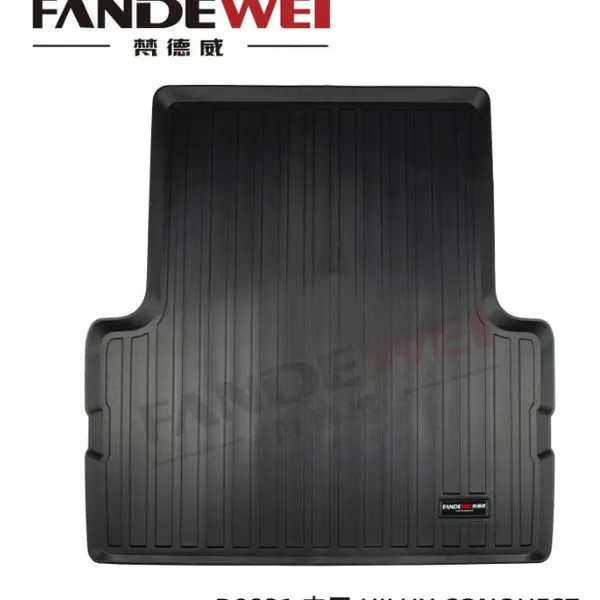 Read More
-
All-Weather Car Mat Factory How We Engineer Durable Floor Protection for Every Climate
October 22, 2026Most car mats promise all-weather protection until the first freeze or heatwave exposes the shortcuts. At FANDEWEI, we build floor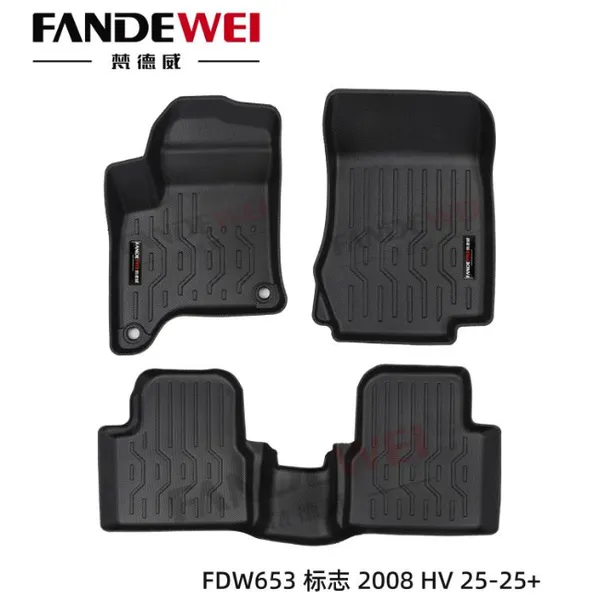 Read More
-
3D Car Floor Mats Factory Reveals How Precision Molding Creates All-Weather Protection
October 19, 2026Ever wondered what separates a flimsy floor mat from one that laughs off mud, snow, and spilled coffee? Inside a 3D car floor mats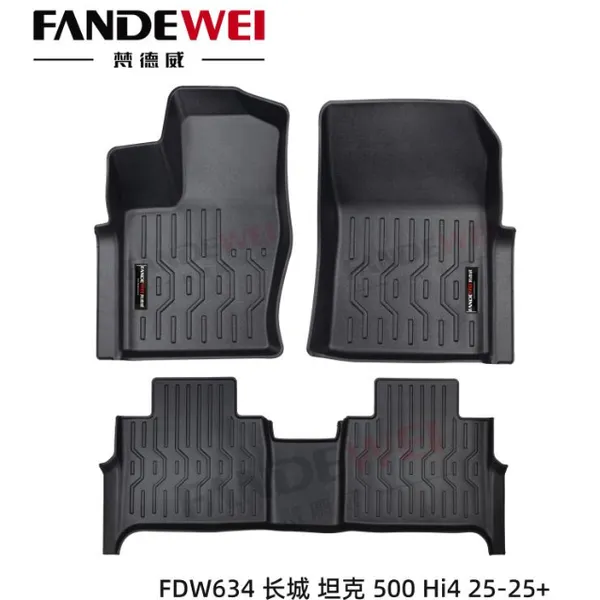 Read More
-
Custom Boot Mat: Tailored Protection for Your Vehicle's Interior
October 16, 2026Your boot takes far more abuse than the cabin—muddy boots, wet dogs, loose tools—yet most drivers still toss in a generic liner th
Read More

Contact Us
Recommended Products
-
 Pickup Truck Bed Mat Use for Benz BMW Toyota Lexus Honda Nissan Mazda Easy to Clean Anti-slip Makers Custom All Weather Zero Formaldehyde WaterproofUS$ 20MOQ: 25 Sets
-
Car Floor Liners Use for Use for GWM TANK 300 500 700 Luxury Carpet Easy to Clean Anti-slip Makers Custom All Weather Zero Formaldehyde WaterproofUS$ 32MOQ: 25 Sets
-
Pickup Truck Floor Mat Use for Geely GWM TANK Chery Changan Easy to Clean Anti-slip Makers Custom All Weather Zero Formaldehyde WaterproofUS$ 32MOQ: 25 Sets
-
Boot Mat Use for Ram Peugeot Land Rover Volvo VinFast BYD Luxury Carpet Easy to Clean Anti-slip Makers Custom All Weather Zero Formaldehyde WaterproofUS$ 32MOQ: 25 Sets
-
3D Car Floor Mats Use for Ford Tesla Chevrolet GMC Dodge Jeep Easy to Clean Anti-slip Makers Custom All Weather Zero Formaldehyde WaterproofUS$ 32MOQ: 25 Sets



-
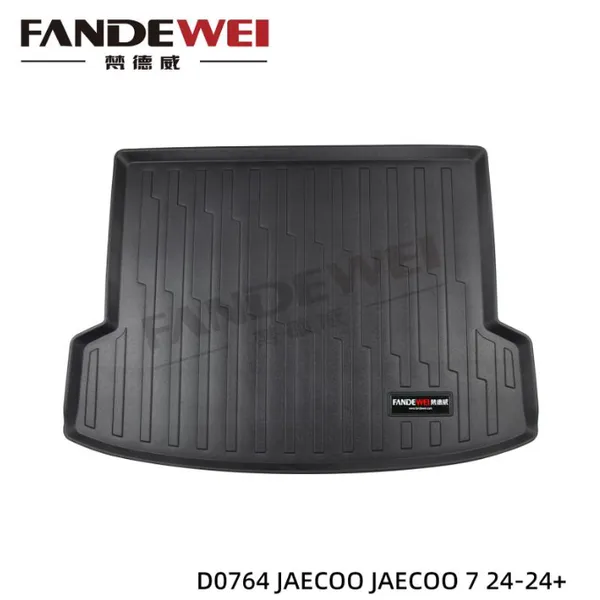
Cargo Liner Use for Mitsubishi Suzuki Isuzu Hyundai Kia Genesis Easy to Clean Anti-slip Makers Custom All Weather Zero Formaldehyde WaterproofUS$ 32MOQ: 25 Sets
-
All-weather Car Mat Use ForToyota Lexus Honda Nissan Mazda Subaru Easy to Clean Anti-slip Makers Custom All Weather Zero Formaldehyde WaterproofUS$ 32MOQ: 25 Sets
-
Trunk Mat Use for Toyota Lexus Honda Nissan Mazda Subaru Luxury Carpet Easy to Clean Anti-slip Makers Custom All Weather Zero Formaldehyde WaterproofUS$ 13MOQ: 25 Sets
-
Car Floor Mats Use for VW Audi Porsche Skoda SEAT Benz BMW Easy to Clean Anti-slip Makers Custom All Weather Zero Formaldehyde WaterproofUS$ 32MOQ: 25 Sets
-
Car Mats Use for LEXUS VW Audi Porsche Toyota Lexus Honda Easy to Clean Anti-slip Makers Custom All Weather Zero Formaldehyde WaterproofUS$ 32MOQ: 25 Sets


-
Use for BYD TANG KING Destroyer SHARK 3D Car Floor Mat Luxury Carpet Easy to Clean Anti-slip Makers Custom All Weather Zero Formaldehyde WaterproofUS$ 32MOQ: 25 Sets
-
Use for BYD TANG KING Destroyer SHARK 3D Car Floor Mat Luxury Carpet Easy to Clean Anti-slip Makers Custom All Weather Zero Formaldehyde WaterproofUS$ 32MOQ: 25 Sets
-
Use for Geely Okavango RIDDARA RD6 Horizon MONJARO L MONJARO L 4WD Preface GEOME/EX2 Galaxy E8 Car Floor MatZero Formaldehyde WaterproofUS$ 32MOQ: 25 Sets
-
Use for Use for Proton X70 X50 3D Car Floor Mat Luxury Carpet Easy to Clean Anti-slip Makers Custom All Weather Zero Formaldehyde WaterproofUS$ 32MOQ: 25 Sets
-
Use for Use for FIAT FULLBACK FAST BACK 3D Car Floor Mat Luxury Carpet Easy to Clean Anti-slip Makers Custom All Weather Zero Formaldehyde WaterproofUS$ 32MOQ: 25 Sets


-
Use for Renault KANGOO CAPTUR Duster 3D Car Floor Mat Luxury Carpet Easy to Clean Anti-slip Makers Custom All Weather Zero Formaldehyde WaterproofUS$ 32MOQ: 25 Sets
-
Use for Chevrolet S10 Sail-LTZ Trailblazer Car Floor Mat Luxury Carpet Easy to Clean Anti-slip Makers Custom All Weather Zero Formaldehyde WaterproofUS$ 32MOQ: 25 Sets
-
Use for TORNADO SILVERADO Colorado 3D Car Floor Mat Luxury Carpet Easy to Clean Anti-slip Makers Custom All Weather Zero Formaldehyde WaterproofUS$ 32MOQ: 25 Sets
-
Use for Chevrolet Tracker TRAX 3D Car Floor Mat Luxury Carpet Easy to Clean Anti-slip Makers Custom All Weather Zero Formaldehyde WaterproofUS$ 32MOQ: 25 Sets
-
Use for Chevrolet AVEO 3D Car Floor Mat Luxury Carpet Easy to Clean Anti-slip Makers Custom All Weather Zero Formaldehyde WaterproofUS$ 32MOQ: 25 Sets


