

 Business License

Cargo Liner Manufacturer Explains the Best Materials for Heavy-Duty Protection
Think all cargo liners offer the same level of heavy-duty protection? Think again. The materials underneath that smooth surface make all the difference when you're hauling tools, gravel, or equipment daily. FANDEWEI, a cargo liner manufacturer known for rigorous field testing, explains which materials genuinely stand up to the abuse—and which ones leave your truck bed vulnerable.
Why Material Choice Decides How Long Your Cargo Liner Holds Up
A cargo liner made from thin, flexible PVC might feel smooth and easy to wipe down, but constant rubbing from toolboxes or sharp-edged equipment quickly carves through its surface. Once that outer layer breaks, moisture seeps underneath and starts rotting the fibers below, long before any visible tearing shows up.
Thicker rubber compounds, especially those with a high natural rubber content, absorb impact instead of cracking under it. They also resist the slow chemical breakdown caused by oil drips or battery acid that would make cheaper synthetics brittle within a season. The difference becomes obvious when you fold a corner after a year of hard use: one material springs back, the other stays creased and eventually splits.
Reinforced edges and a textured underside matter just as much as the material itself. A liner that shifts under load rubs against the truck bed and wears through from both sides. Choosing a compound with high tear strength and a non-slip backing means the liner stays put, so the abrasion happens to the cargo—not the material that’s supposed to protect your floor.
Most people reach for canvas or basic plastic sheeting when moving bulky loads, but reinforced polyethylene rarely gets the credit it deserves. The material is built from tightly woven high-density fibers that resist tearing even when dragged across rough pavement or loaded with sharp-edged debris. Unlike ordinary plastic film, which starts to split after a few uses, this reinforced version keeps its edge intact, making it a reliable choice for hauling branches, construction scrap, or heavy tools without constant replacement.
A less obvious benefit is the low friction surface that makes sliding heavy objects surprisingly easy. On gravel, concrete, or packed dirt, reinforced polyethylene glides with far less resistance than rubber mats or thick canvas, allowing a single person to move items that would normally require two. It also repels water completely, so after a rainy morning of hauling wet lumber or garden waste, the sheet stays light and dries within minutes. There is no soaked fabric, no lingering musty smell, and no added weight from trapped moisture.
Compared to metal dollies or wooden sleds, this material weighs almost nothing and folds down to the size of a small bag, fitting easily behind a truck seat or on a garage shelf. Yet its puncture resistance is remarkable—small stones, twigs, and even protruding nails rarely break through the woven surface. That balance of low weight and high toughness is something you only appreciate after a few weeks of daily use, when the same polyethylene sheet has survived dozens of trips without a single tear or fray, quietly outperforming bulkier alternatives that demand more storage space and effort.
Rubber, PVC, or Polyurea: Which Surface Actually Survives Heavy Impacts
Drop a 20-kilogram steel plate from chest height and most surfaces will tell you exactly what they're made of. Rubber shrugs off the first few hits—its elastic nature spreads the force outward—but repeated strikes to the same spot can tear chunks out of tiles or leave permanent dents in poured-in-place systems. Impact absorption is excellent, yet sharp or edged impacts are a different story.
PVC looks tough in a showroom, but under heavy blunt force it tends to crack at the point of impact, especially in colder temperatures where the material stiffens. It handles scuffs and light drops fine, but a dropped dumbbell or a shifting machine base can punch through the wear layer and leave a white stress mark that never really goes away.
Polyurea sits in a different class. Its elongation and tensile strength work together: it flexes just enough to avoid cracking but remains rigid enough to resist tearing. In repeated impact testing, polyurea coatings often outlast both rubber and PVC by a wide margin, making them the default choice for loading docks, truck bed liners, and high-abuse gym floors.
How Thickness and Texture Stop Loads From Shifting Mid-Transit
Plain, thin films rarely hold a heavy pallet when a truck hits a dip at highway speed. Give that same film some real thickness, and it starts to behave like a low-profile shock absorber: the material compresses under the load's weight, filling microscopic gaps in the trailer floor and wrapping slightly around the bottom edges of the pallet. That extra contact area spreads the force of sudden stops and sharp turns across a wider footprint, so the load doesn't get the running start it needs to slide.
Texture does a different job. A rough, embossed, or fibrous surface digs into the underside of the cargo and the decking, acting like interlocking teeth. Even if the load tries to shift, those tiny protrusions resist the movement in all directions, not just fore and aft. The result is a practical friction lock that works without straps, glue, or extra labor—just the right combination of thickness to absorb energy and texture to refuse the slide.
UV Rays and Chemical Spills: The Quiet Destroyers of Cheap Liners
Most people assume a pond liner fails because of a sudden tear or puncture, but the real culprits often work in silence. Ultraviolet radiation breaks down the polymer chains day after day, especially in liners that skip UV stabilizers to cut costs. After a few seasons of direct sun, the surface turns brittle and chalky. Then a minor footstep or a shifting rock creates a crack that spreads faster than you'd expect.
Chemical exposure is just as sneaky. Fertilizers, de-icing salts, and even some water treatments leach into the liner material and accelerate degradation. Cheap liners lack the dense molecular structure needed to resist these substances, so they swell, soften, and eventually lose their flexibility. The damage rarely shows up right away — it accumulates until a small wrinkle becomes a slow leak that's nearly impossible to locate.
What makes both threats worse is that they feed on each other. Sun-weakened plastic absorbs chemicals more readily, while chemical stress makes the surface more vulnerable to UV attack. Once that cycle starts, the liner's lifespan drops from years to months. Upgrading to a liner with reinforced UV inhibitors and chemical resistance isn't just a luxury; it's the difference between rebuilding your water feature every spring and enjoying it for a decade.
Inside a Manufacturer’s Test Rig: What Real Abuse Looks Like
Step inside the test lab and the first thing you notice is the noise—a low, irregular clanking mixed with the whine of hydraulic pumps running at full pressure. Racks of steel fixtures hold components in awkward, off-axis positions, while servo-hydraulic actuators jab and twist them through cycles that would chew up most consumer-grade parts in minutes. There's no polished demo rig here; everything is scarred, oil-stained, and bolted down with the kind of urgency that comes from breaking things on purpose.
The abuse itself is deliberately unglamorous. Engineers run accelerated life tests that stack thermal shock, salt spray, and repeated impact into the same afternoon. A suspension arm might get hit with a 40-g vertical spike while the ambient chamber swings from -30°C to 80°C every twenty minutes. Hoses are flexed past their rated bend radius, connectors are over-torqued until threads strip, and electronics are fed voltage spikes while being vibrated at resonance frequencies. Real abuse means pushing until failure—then documenting exactly how and where it broke.
What separates this from a marketing torture test is the honesty of the data. Technicians log crack propagation with dye penetrant, measure bushing wear in microns, and cut open failed parts to inspect grain structure at the fracture surface. It's not about proving the product survives; it's about learning how it dies. That knowledge feeds back into quieter design changes that never make the brochure—thicker fillets, revised heat treatment, a different seal material. The test rig may look like chaos, but every scratch and broken bolt is a data point.
Conclusion
When a cargo liner fails, it rarely gives much warning. The material choice is what quietly determines whether the liner survives one season or five. Reinforced polyethylene often gets overlooked because it doesn't look as heavy as rubber, but in daily hauling it shrugs off abrasion and flexes without cracking. Rubber feels tough but can soften or swell when exposed to fuels and solvents, while PVC turns brittle after enough UV exposure. Polyurea coatings hold up better under repeated heavy impacts, but only if the base layer and thickness are right. That combination of thickness and surface texture is what actually keeps a load from creeping or shifting mid-transit. A slick, thin liner might feel easy to clean, but it invites cargo movement that damages both the liner and the bed.
UV rays and chemical spills are the quiet destroyers that don't get enough attention. Cheap liners can look fine for a few months, then start splitting along stress points once ultraviolet light breaks down the polymers. Spilled diesel, battery acid, or even road salt accelerate that decay. That's why serious manufacturers run test rigs where liners are dragged, dropped, scraped, and soaked in chemicals while being cycled through UV chambers. The abuse goes well beyond what most trucks see, but it reveals weak spots that a spec sheet never will. The best heavy-duty protection comes from a material that balances impact resistance, chemical tolerance, and UV stability—not just the thickest or cheapest option on the shelf.
Contact Us
Fan De Wei Henan Automobile Products Co.,Ltd
Contact:Jet
Tel & Wechat :+86 199 0374 5266
Tel & Whatsapp :+86 181 8915 9658
Recently Posted
-
Top Pickup Truck Bed Mats That Keep Your Cargo Secure and Dry
October 26, 2026Your truck bed shouldn't be a slip-and-slide for your gear. We've tested the top pickup truck bed mats that keep cargo sec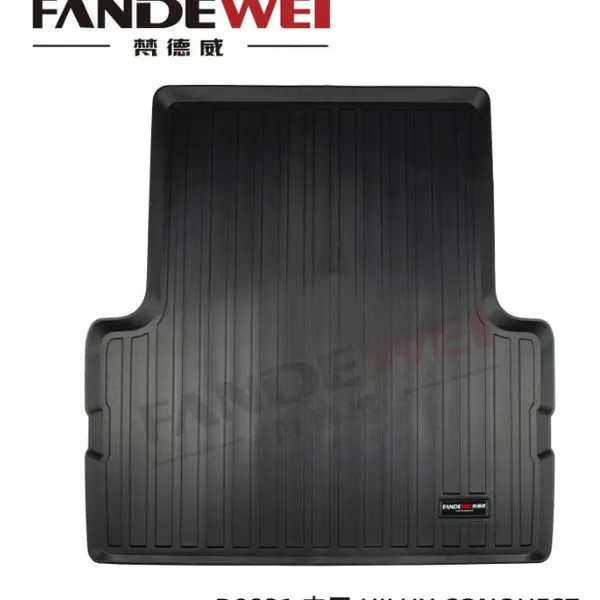 Read More
-
All-Weather Car Mat Factory How We Engineer Durable Floor Protection for Every Climate
October 22, 2026Most car mats promise all-weather protection until the first freeze or heatwave exposes the shortcuts. At FANDEWEI, we build floor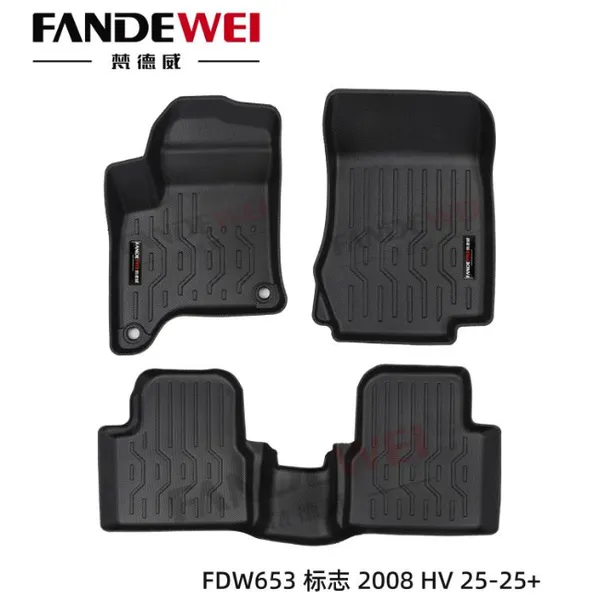 Read More
-
3D Car Floor Mats Factory Reveals How Precision Molding Creates All-Weather Protection
October 19, 2026Ever wondered what separates a flimsy floor mat from one that laughs off mud, snow, and spilled coffee? Inside a 3D car floor mats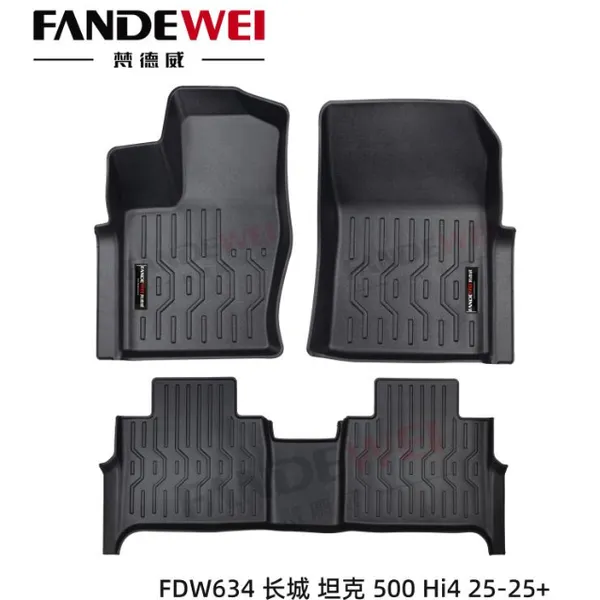 Read More
-
Custom Boot Mat: Tailored Protection for Your Vehicle's Interior
October 16, 2026Your boot takes far more abuse than the cabin—muddy boots, wet dogs, loose tools—yet most drivers still toss in a generic liner th
Read More

Contact Us
Recommended Products
-
 Pickup Truck Bed Mat Use for Benz BMW Toyota Lexus Honda Nissan Mazda Easy to Clean Anti-slip Makers Custom All Weather Zero Formaldehyde WaterproofUS$ 20MOQ: 25 Sets
-
Car Floor Liners Use for Use for GWM TANK 300 500 700 Luxury Carpet Easy to Clean Anti-slip Makers Custom All Weather Zero Formaldehyde WaterproofUS$ 32MOQ: 25 Sets
-
Pickup Truck Floor Mat Use for Geely GWM TANK Chery Changan Easy to Clean Anti-slip Makers Custom All Weather Zero Formaldehyde WaterproofUS$ 32MOQ: 25 Sets
-
Boot Mat Use for Ram Peugeot Land Rover Volvo VinFast BYD Luxury Carpet Easy to Clean Anti-slip Makers Custom All Weather Zero Formaldehyde WaterproofUS$ 32MOQ: 25 Sets
-
3D Car Floor Mats Use for Ford Tesla Chevrolet GMC Dodge Jeep Easy to Clean Anti-slip Makers Custom All Weather Zero Formaldehyde WaterproofUS$ 32MOQ: 25 Sets



-
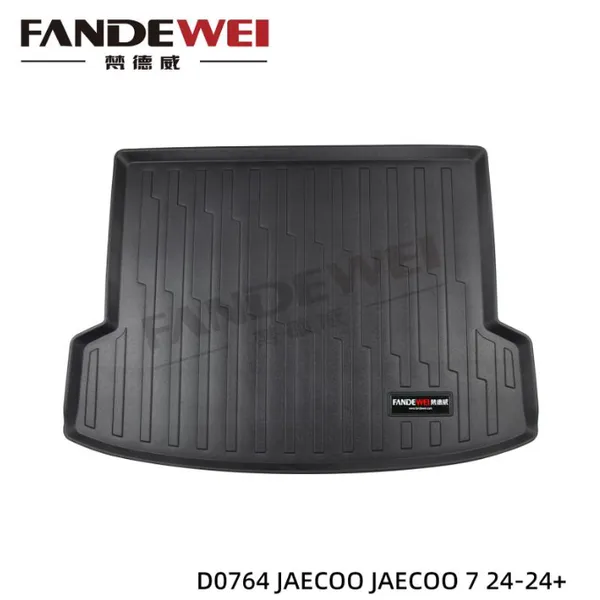
Cargo Liner Use for Mitsubishi Suzuki Isuzu Hyundai Kia Genesis Easy to Clean Anti-slip Makers Custom All Weather Zero Formaldehyde WaterproofUS$ 32MOQ: 25 Sets
-
All-weather Car Mat Use ForToyota Lexus Honda Nissan Mazda Subaru Easy to Clean Anti-slip Makers Custom All Weather Zero Formaldehyde WaterproofUS$ 32MOQ: 25 Sets
-
Trunk Mat Use for Toyota Lexus Honda Nissan Mazda Subaru Luxury Carpet Easy to Clean Anti-slip Makers Custom All Weather Zero Formaldehyde WaterproofUS$ 13MOQ: 25 Sets
-
Car Floor Mats Use for VW Audi Porsche Skoda SEAT Benz BMW Easy to Clean Anti-slip Makers Custom All Weather Zero Formaldehyde WaterproofUS$ 32MOQ: 25 Sets
-
Car Mats Use for LEXUS VW Audi Porsche Toyota Lexus Honda Easy to Clean Anti-slip Makers Custom All Weather Zero Formaldehyde WaterproofUS$ 32MOQ: 25 Sets


-
Use for BYD TANG KING Destroyer SHARK 3D Car Floor Mat Luxury Carpet Easy to Clean Anti-slip Makers Custom All Weather Zero Formaldehyde WaterproofUS$ 32MOQ: 25 Sets
-
Use for BYD TANG KING Destroyer SHARK 3D Car Floor Mat Luxury Carpet Easy to Clean Anti-slip Makers Custom All Weather Zero Formaldehyde WaterproofUS$ 32MOQ: 25 Sets
-
Use for Geely Okavango RIDDARA RD6 Horizon MONJARO L MONJARO L 4WD Preface GEOME/EX2 Galaxy E8 Car Floor MatZero Formaldehyde WaterproofUS$ 32MOQ: 25 Sets
-
Use for Use for Proton X70 X50 3D Car Floor Mat Luxury Carpet Easy to Clean Anti-slip Makers Custom All Weather Zero Formaldehyde WaterproofUS$ 32MOQ: 25 Sets
-
Use for Use for FIAT FULLBACK FAST BACK 3D Car Floor Mat Luxury Carpet Easy to Clean Anti-slip Makers Custom All Weather Zero Formaldehyde WaterproofUS$ 32MOQ: 25 Sets


-
Use for Renault KANGOO CAPTUR Duster 3D Car Floor Mat Luxury Carpet Easy to Clean Anti-slip Makers Custom All Weather Zero Formaldehyde WaterproofUS$ 32MOQ: 25 Sets
-
Use for Chevrolet S10 Sail-LTZ Trailblazer Car Floor Mat Luxury Carpet Easy to Clean Anti-slip Makers Custom All Weather Zero Formaldehyde WaterproofUS$ 32MOQ: 25 Sets
-
Use for TORNADO SILVERADO Colorado 3D Car Floor Mat Luxury Carpet Easy to Clean Anti-slip Makers Custom All Weather Zero Formaldehyde WaterproofUS$ 32MOQ: 25 Sets
-
Use for Chevrolet Tracker TRAX 3D Car Floor Mat Luxury Carpet Easy to Clean Anti-slip Makers Custom All Weather Zero Formaldehyde WaterproofUS$ 32MOQ: 25 Sets
-
Use for Chevrolet AVEO 3D Car Floor Mat Luxury Carpet Easy to Clean Anti-slip Makers Custom All Weather Zero Formaldehyde WaterproofUS$ 32MOQ: 25 Sets


